
Shift focus from structured output to listening. Yoga, breathing, and mixed-activity days teach you to choose movement based on how you feel.
Week 5 introduces slow, controlled movement linked to breath. You do not need prior yoga experience — the sequences here are gentle and functional, designed for living-room practice in a typical Dutch home. A mat or towel on a non-slip surface is recommended.
Research literature discusses slow breathing patterns in general wellness contexts. A 2020 scoping review in BMC Complementary Medicine noted that breathing exercises at 4–6 breaths per minute are a topic of academic study — not a service we provide or an outcome we promise. Individual experiences differ widely.
The ten-minute session alternates between physical poses and breath focus. Move into each pose on an exhale, hold for two to three breaths, release on the next exhale. Never force joints into extreme ranges. Yoga in this context means mindful movement, not advanced flexibility.
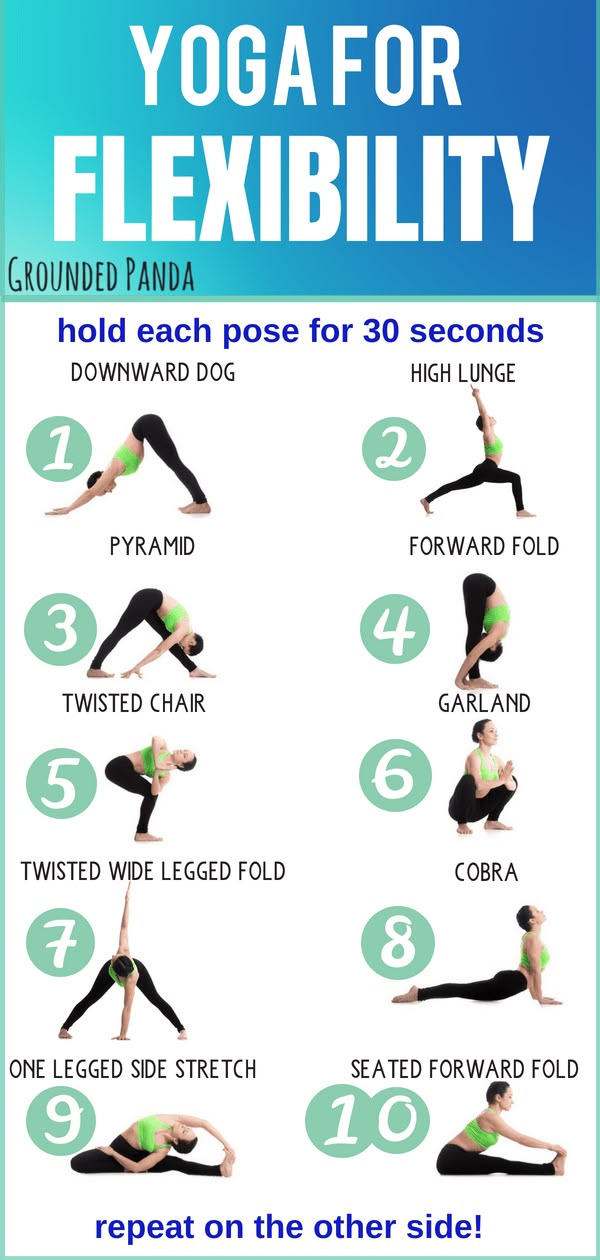
Week 6 gives you autonomy. Each day, choose one of three options based on energy, weather, and mood. All options last approximately ten minutes. The purpose is to demonstrate that movement habit does not require a fixed script — once the foundation is built, flexibility keeps the routine alive long after the six-week program ends.
Return to Phase 1 — ten-minute comfortable walk plus two-minute stretch. Ideal after strenuous workdays or when legs feel heavy. Low cognitive load, high recovery value.
Phase 2 micro-circuit or 5+5 split. Choose when energy is moderate to high and you want muscular engagement. Good on dry mornings before work.
Repeat Week 5 sequence or substitute with standing-only poses if floor work is inconvenient. Suitable for tense days, poor sleep nights, or windy rainy afternoons.
A balanced Week 6 might look like: Mon walk, Tue exercise, Wed yoga, Thu walk, Fri exercise, Sat yoga, Sun walk. Adjust freely — the pattern matters less than maintaining daily contact with movement.
Phase 3 is where the program transitions from following instructions to reading internal signals. Before each session, pause for ten seconds and ask: Do I need energising movement or calming movement today? Your answer guides the option you pick in Week 6 and beyond.
Body awareness — interoception — improves with practice. Noticing tension in shoulders during a plank, or hip stiffness during a lunge, helps you adjust form in real time. Over weeks, this attention spreads into non-exercise hours: you may catch yourself slouching sooner or choosing stairs without deliberate planning.
Dutch work culture often emphasises directness and efficiency; applying that mindset to movement means honest self-assessment rather than pushing through fatigue for appearance's sake. Rest days and gentle days are part of a sustainable rhythm, not failures of discipline.
Six weeks establish a baseline, not a ceiling. Many people continue with the Week 6 menu indefinitely — rotating walk, exercise, and yoga days as life permits. Others extend sessions to fifteen or twenty minutes once the habit feels automatic.
Consider seasonal adjustments: longer walks in summer daylight, more indoor yoga during December darkness. The Netherlands' cycling infrastructure already contributes significant daily movement; this program adds structured variety that desk-based work may lack.
Revisit Phase 1 content whenever you return from travel or a busy period. Two weeks of walking-only resets rhythm faster than attempting complex circuits on day one back. The phases remain reference material on this site for as long as you need them.
About the Full ProgramYes. The sequence uses beginner-friendly poses with modifications noted throughout. Chair-supported alternatives work for balance poses. Move slowly and skip any position that causes discomfort.
Absolutely. A ten-minute seated breathing session counts as a full Week 5 day. The 4-count inhale, 6-count exhale pattern can be practised anywhere — on a train, at a desk, or before sleep.
Use a simple rule: low energy or poor sleep → walk or yoga; moderate energy → exercise or walk; high stress → yoga or breathing. There is no wrong choice as long as you move for ten minutes.